
"In Our Own Words" Virtual Poetry Event featuring Brain Injury Survivors & Caregivers Video
I am so excited to share the inaugural “In Our Own Words” virtual poetry event held last month featuring the voices of brain injury survivors and caregivers, hosted by Resilient Roots. You can watch the video here, and make sure to join us in April for the next “In Our Own Words” event on Zoom!
SEE WHAT’S NEW ON INSTAGRAM
©2025 Cazoshay Marie. All rights reserved. Unauthorized use and/or duplication of this material without express and written permission from this blog’s author and/or owner is strictly prohibited. Excerpts and links may be used, provided that full and clear credit is given to Cazoshay Marie with appropriate and specific direction to the original content.
D.I.D. with Cazoshay and its materials are not intended to treat, diagnose, cure or prevent any disease. All material on this blog is provided for educational purposes only. Always seek the advice of your physician or another qualified healthcare provider for any questions you have regarding a medical condition, and before undertaking any diet, exercise or other health related program.
The opinions expressed on this site are that of my own and not reflective of, nor supported by, any of the organizations that I am affiliated with.

Headed to Washington, D.C.!

Hair is done (by the AMAZING @trumane_hair_studio, seriously, you should have seen how crunchy it looked when I went in there 😆) so now I’m ready to head to D.C. with @bia_usa to advocate for the brain injury community by speaking with our legislators about some important initiatives we need their support on.
I’ve made my (packing) list, checked it twice, traveling while disabled is more naughty than nice! 😂 But regardless, Cazzy Claus is comin’, to toooowwwwn! Okay, obviously Christmas is my favorite holiday and bad jokes are my jam, but I’m taking this opportunity very seriously. It’s not often that you to get to be amongst this many individuals in the brain injury community, particularly while being able to speak directly to your representatives about the issues that affect us most.
I’m thinking about making a video sharing some of my trips for how I prepared for this trip in terms of packing-which is such a difficult thing to do when traveling (“What do I wear for this event?”, “What if we go out to eat afterwards?”, “What happens if it starts raining?”….“My silk press!!!”) but it’s even more difficult when you’re dealing with a brain injury or other disabilty. The cognitive load, not to mention the physical practicalities of packing and travel can be more than a challenge, so I think it would be helpful to share some of the things that make it more accessible for me.
You can head to biausa.org for more info about how you can support, even if you don’t have a brain injury yourself!💪🏽🧠
See you soon, D.C.!🎉
SEE WHAT’S NEW ON INSTAGRAM
©2025 Cazoshay Marie. All rights reserved. Unauthorized use and/or duplication of this material without express and written permission from this blog’s author and/or owner is strictly prohibited. Excerpts and links may be used, provided that full and clear credit is given to Cazoshay Marie with appropriate and specific direction to the original content.
D.I.D. with Cazoshay and its materials are not intended to treat, diagnose, cure or prevent any disease. All material on this blog is provided for educational purposes only. Always seek the advice of your physician or another qualified healthcare provider for any questions you have regarding a medical condition, and before undertaking any diet, exercise or other health related program.
The opinions expressed on this site are that of my own and not reflective of, nor supported by, any of the organizations that I am affiliated with.
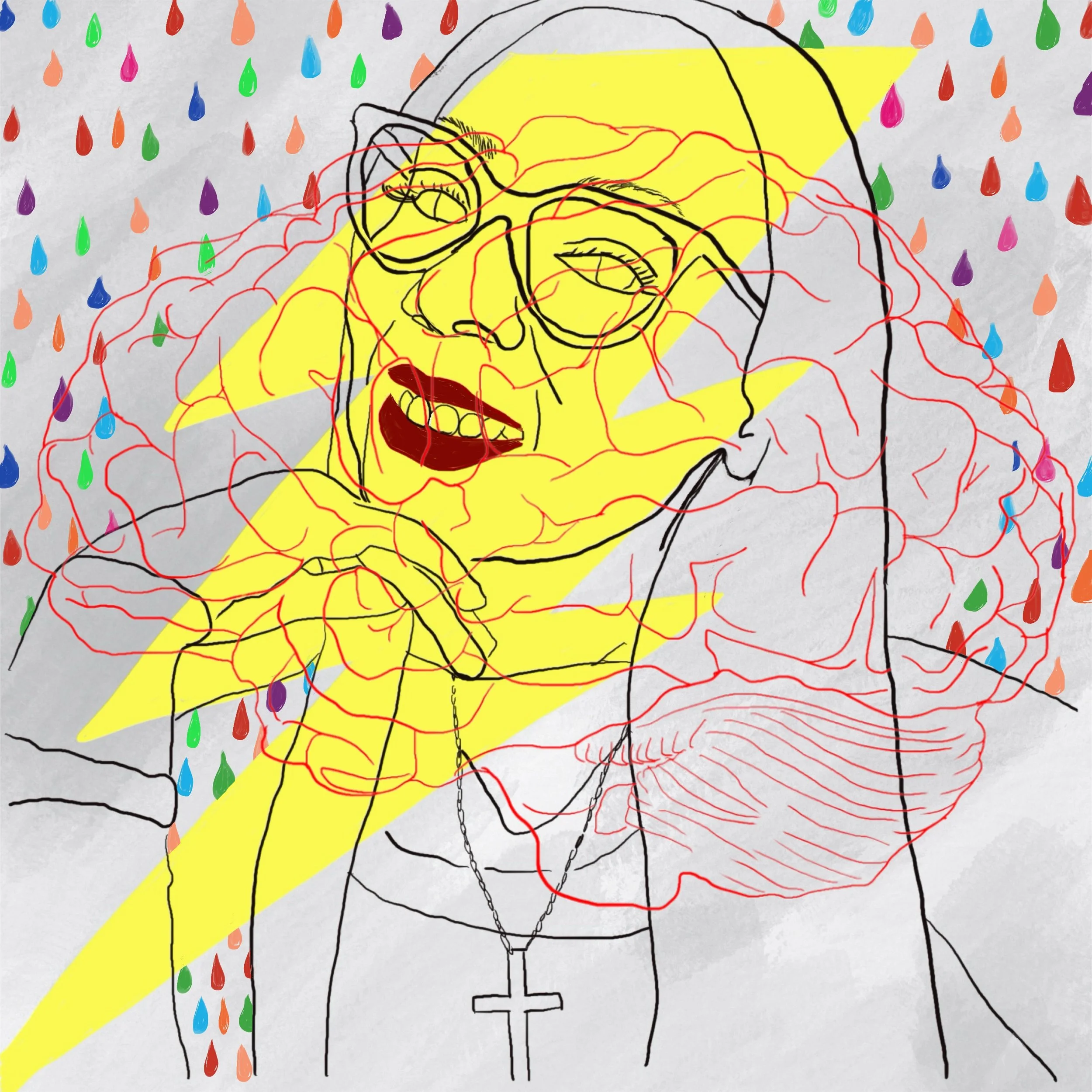
The Double Invisibility of Being Black and Disabled
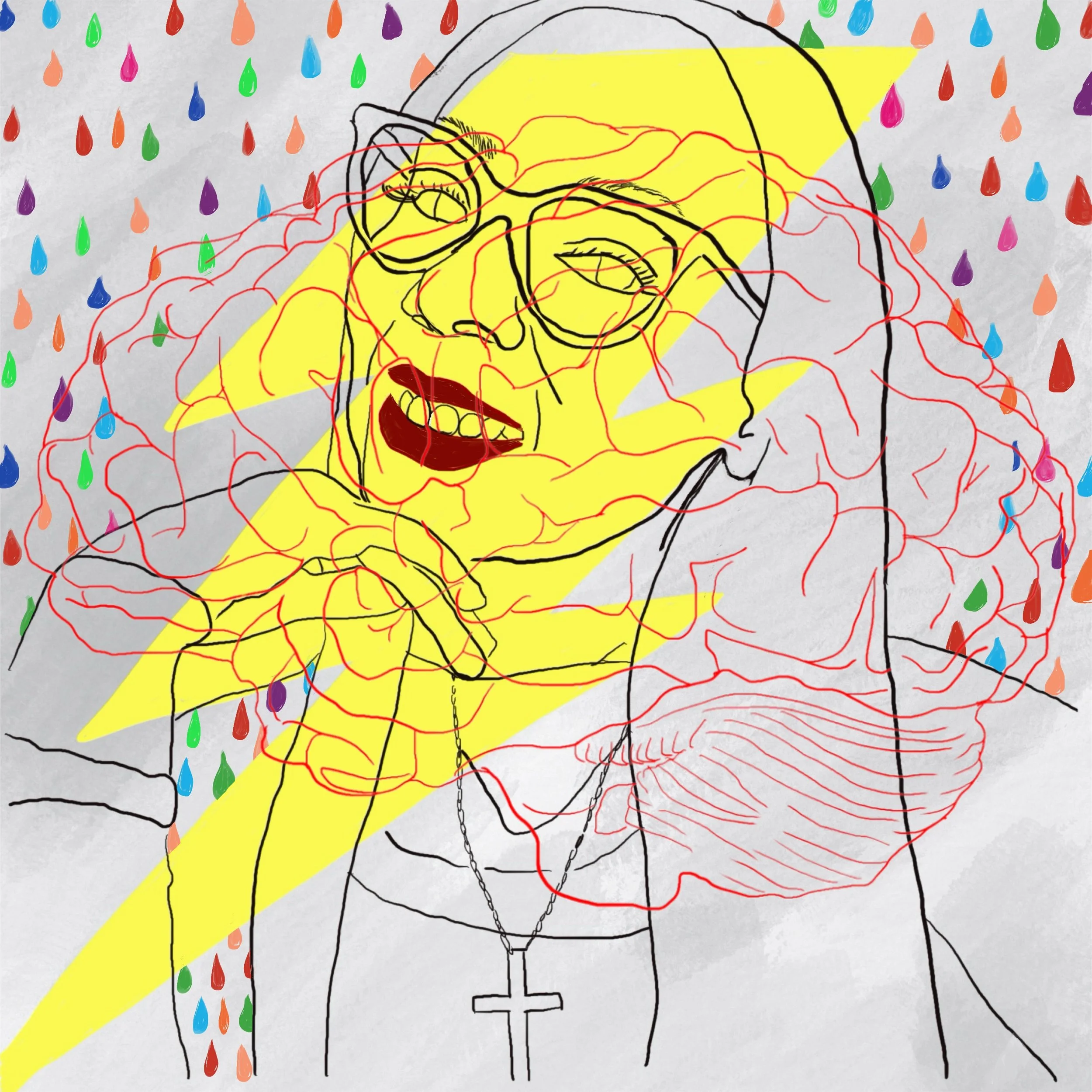
Standing in the aisle of the grocery store, I feel the presence of someone approaching me, coming dangerously close to where I’m standing. Inches away. Close enough that I can feel the warmth of their body heat. I then see a hand reach over in front of me to grab an item off the shelf. After which, the hand’s owner proceeds to walk away, the entire act occurring as if I weren’t even there.
Granted, I had been standing in that spot for a while, my head feeling like it was literally spinning as I tried to both get my bearings and remember why I was standing in that aisle in the first place as the symptoms of my traumatic brain injury began to worsen.
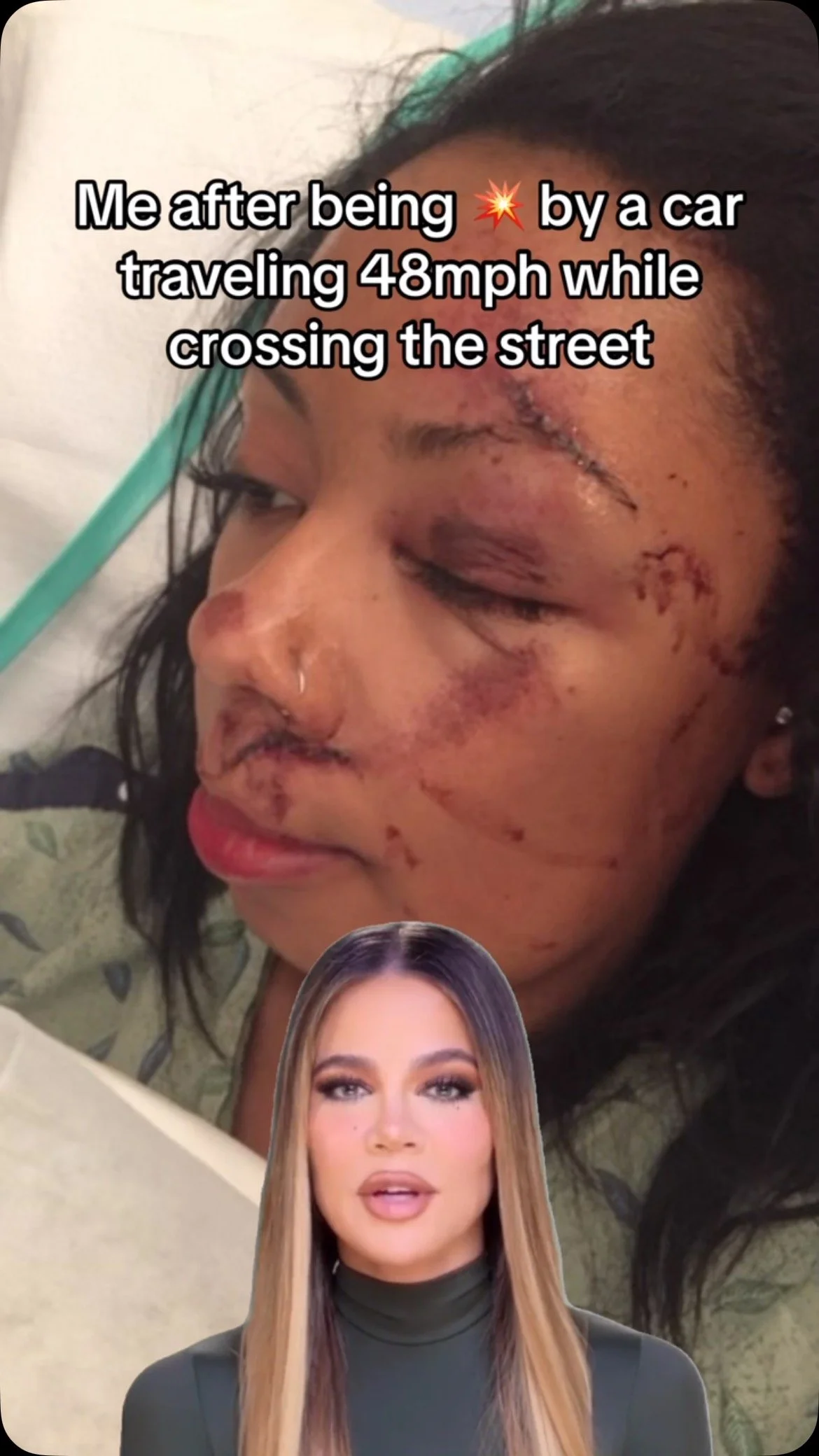
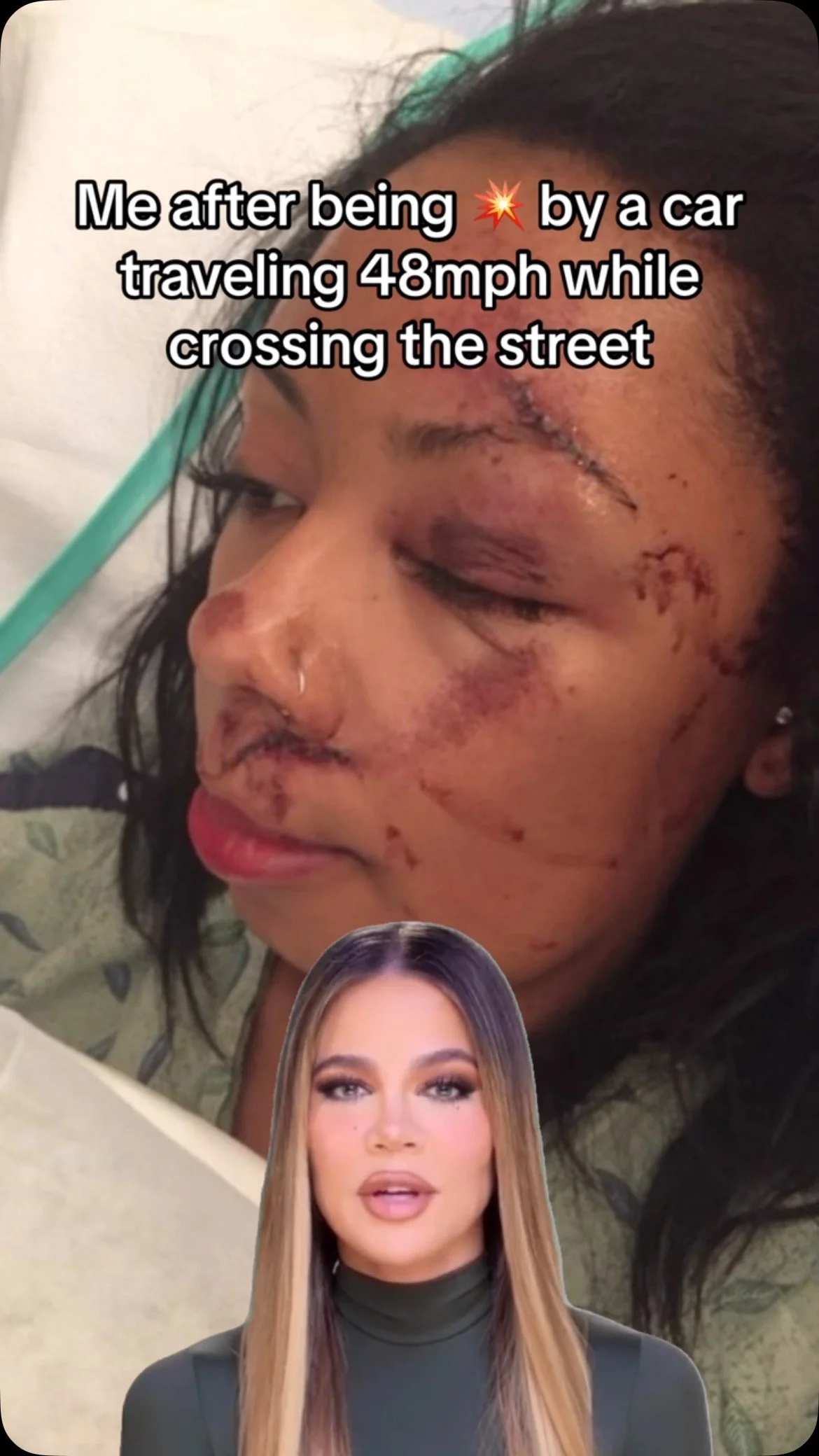
Now normally, I am not the one nor the two. A simple “excuse me” would have let me know that the person needed to get where I was standing, and I usually have no problem letting people know that in the moment. As a person of color living with disabilities for the last seven years as a result of being struck by a car traveling 48mph while crossing the street in downtown Phoenix, I sometimes wonder in times like that why people seem to be incapable of seeing me? Both literally and philosophically. It also makes me wonder why people don’t take the time to consider that I may have been standing there for so long for a reason other than to try to annoy the general public by taking up space for an unnecessarily long duration of time, when obviously I know that grabbing a can of beans off of a shelf is a life-or-death situation that requires immediate action, to the exclusion of basic human consideration.
Living with the effects of a traumatic brain injury, chronic pain, nerve damage and vestibular issues, (all so-called “invisible disabilities” because the effects of these conditions are not always visually perceptible), already often makes me feel as if the struggles and realities of my existence are not seen or considered. Although my disabilities are “invisible”, this occurs even when my status as a disabled person is made known. Add the fact that I’m a black woman, who, statistically speaking, is a part of a demographic that often gets ignored or discredited by the medical field, sometimes I feel doubly invisible. Doubly ignored.
According to a 2021 Pew Research Study, about a third of African Americans surveyed said that their pain has not been taken seriously (35%), or that their provider has rushed them (32%). (https://www.pewresearch.org/short-reads/2023/12/21/5-facts-about-black-americans-and-health-care/)
“Black Americans are systematically undertreated for pain relative to white Americans...findings suggest that individuals with at least some medical training hold and may use false beliefs about biological differences between blacks and whites to inform medical judgments, which may contribute to racial disparities in pain assessment and treatment.” (https://www.ncbi.nlm.nih.gov/pmc/articles/PMC4843483/) If medical providers hold false beliefs about blacks, they clearly are not seeing us accurately. Our pain, experiences and symptoms become “invisible” to providers, which can cause a myriad of issues medically, psychologically and emotionally for disabled African Americans.
According to a Pew Research report, “(55%) [of African Americans surveyed said]...they’ve had at least one of six negative experiences, including having to speak up to get the proper care and being treated with less respect than other patients.” (https://www.pewresearch.org/science/2022/04/07/black-americans-views-about-health-disparities-experiences-with-health-care/) Even as it pertains to one of my primary disability, a traumatic brain injury, the assessment, and therefore the visibility, of African Americans in this demographic is not accurate according to the research. “Some studies state that following a traumatic brain injury, members of minority groups have a more difficult time than whites in finding work and returning to social activities. Other studies disagree. Some researchers suggest that evaluation tools used by clinicians are to blame for the differences in scores. They suspect that the evaluation tools may be unintentionally biased against members of minority groups because they are written for and measure traits of the White culture.” (https://www.biausa.org/professionals/research/tbi-model-systems/outcomes-for-african-americans-and-whites-similarities-and-differences)
Even when presented with statistical data corroborating the assertion that African Americans still face discrimination in many different areas, including healthcare, I’ve found that numerous non-POC friends and colleagues remain in willful and determined disbelief. They make the conscious decision to negate my experiences and the experiences of other people of color. This begs the question, what more will it take for us to be believed? For us to be “seen”?
I can’t help but draw the parallel between the experience of living as a person of color and that of living as a disabled person. Not only does one affect the other, but they both present their own unique challenges in having the community at large see us in the totality of who we are within those demographics. In America, there is the cultural belief that anyone who experiences any kind of loss, tragedy or traumatic physical or emotional event should just “pull themselves up by their bootstraps” and move on in a way that seems productive to the general population. As a disabled person, that’s just not always possible. Especially in a society that, for the most part, has been built exclusively for non-disabled individuals. Thanks to The Americans with Disabilities Act and many vocal advocates, that is slowly beginning to change. However, much of the progress that has been made is now under threat under the current administration. Our symptoms and “limitations” as disabled persons affect every aspect of our daily lives, frequently in ways that other people don’t see. Sometimes, “pulling myself up by my bootstraps” means being in bed for two days straight when an intense migraine and chronic pain make functioning impossible.
I’m not asking for sympathy. I’m not asking for pity. I don’t think most African Americans or disabled persons are. But what I am asking for from non-POCs and non-disabled individuals is to have the empathy to consider experiences other than their own. To truly “see” us, you have to take the time to get to know us. You have to take the time to educate yourself with the resources that are readily available in order to learn about what life is like for us. And please, for the love of God, remember to say “excuse me”.
Resources
https://www.pewresearch.org/science/2022/04/07/black-americans-views-about-health-disparities-experiences-with-health-care/
https://www.biausa.org/professionals/research/tbi-model-systems/outcomes-for-african-americans-and-whites-similarities-and-differences
https://www.pewresearch.org/short-reads/2023/12/21/5-facts-about-black-americans-and-health-care/
https://www.ncbi.nlm.nih.gov/pmc/articles/PMC4843483/
©2025 Cazoshay Marie. All rights reserved. Unauthorized use and/or duplication of this material without express and written permission from this blog’s author and/or owner is strictly prohibited. Excerpts and links may be used, provided that full and clear credit is given to Cazoshay Marie with appropriate and specific direction to the original content.
D.I.D. with Cazoshay and its materials are not intended to treat, diagnose, cure or prevent any disease. All material on this blog is provided for educational purposes only. Always seek the advice of your physician or another qualified healthcare provider for any questions you have regarding a medical condition, and before undertaking any diet, exercise or other health related program.
The opinions expressed on this site are that of my own and not reflective of, nor supported by, any of the organizations that I am affiliated with.
Two New Features!
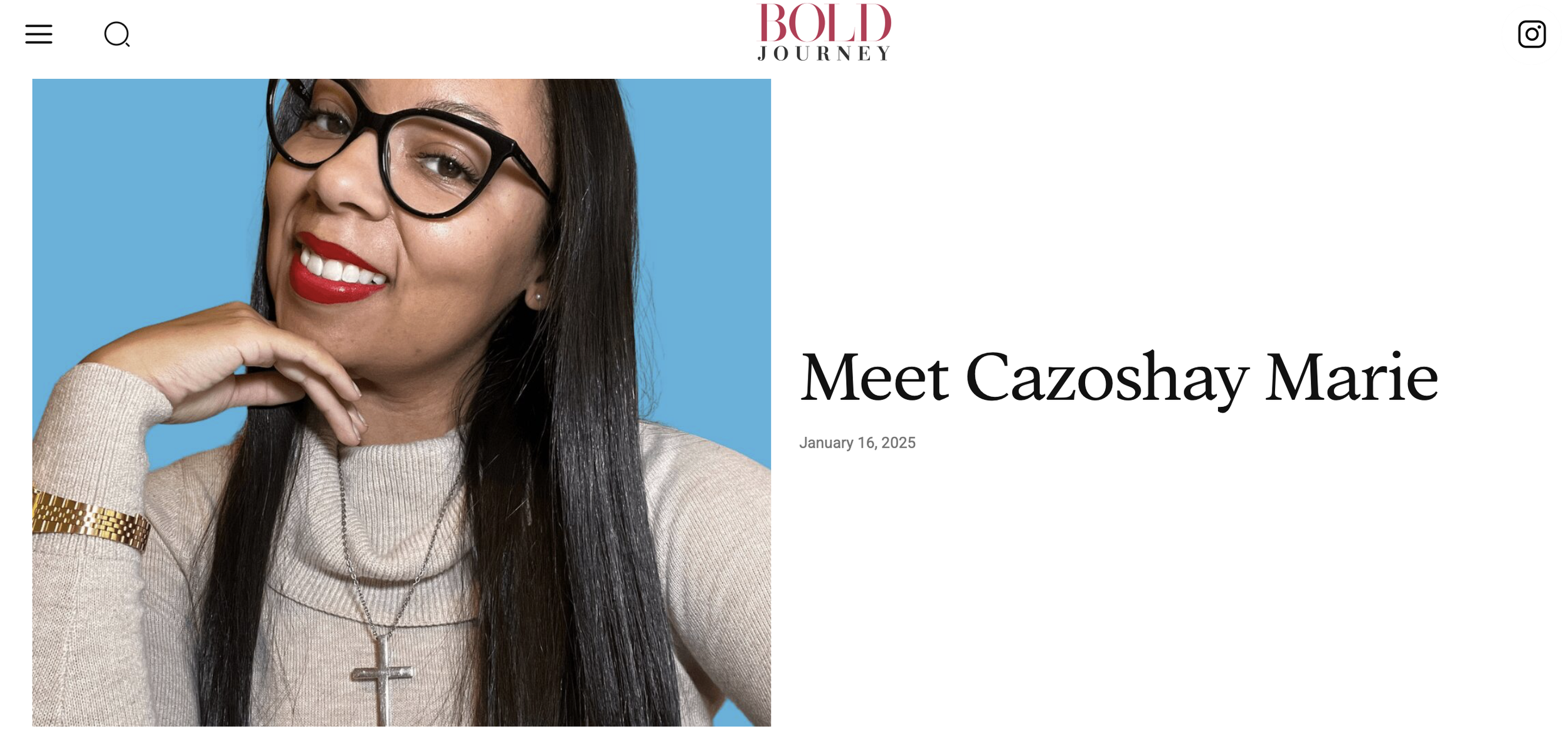
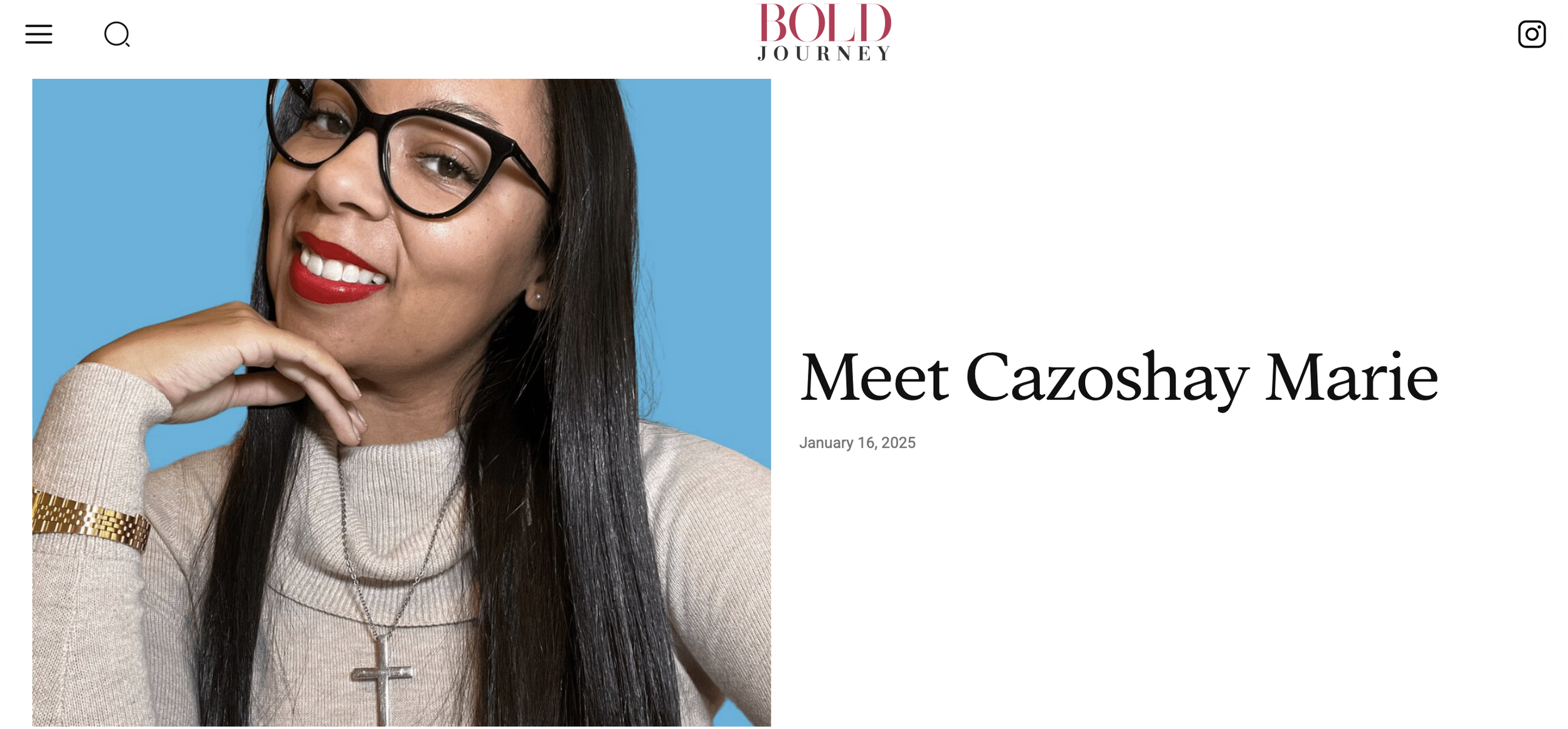
Hey friends! I’m super excited. to share with you that I have two new features that are now live!
The first is with “BOLD Journey.” I share about my story, finding my purpose, and qualities that I think are important for all people to develop, regardless of disability status.
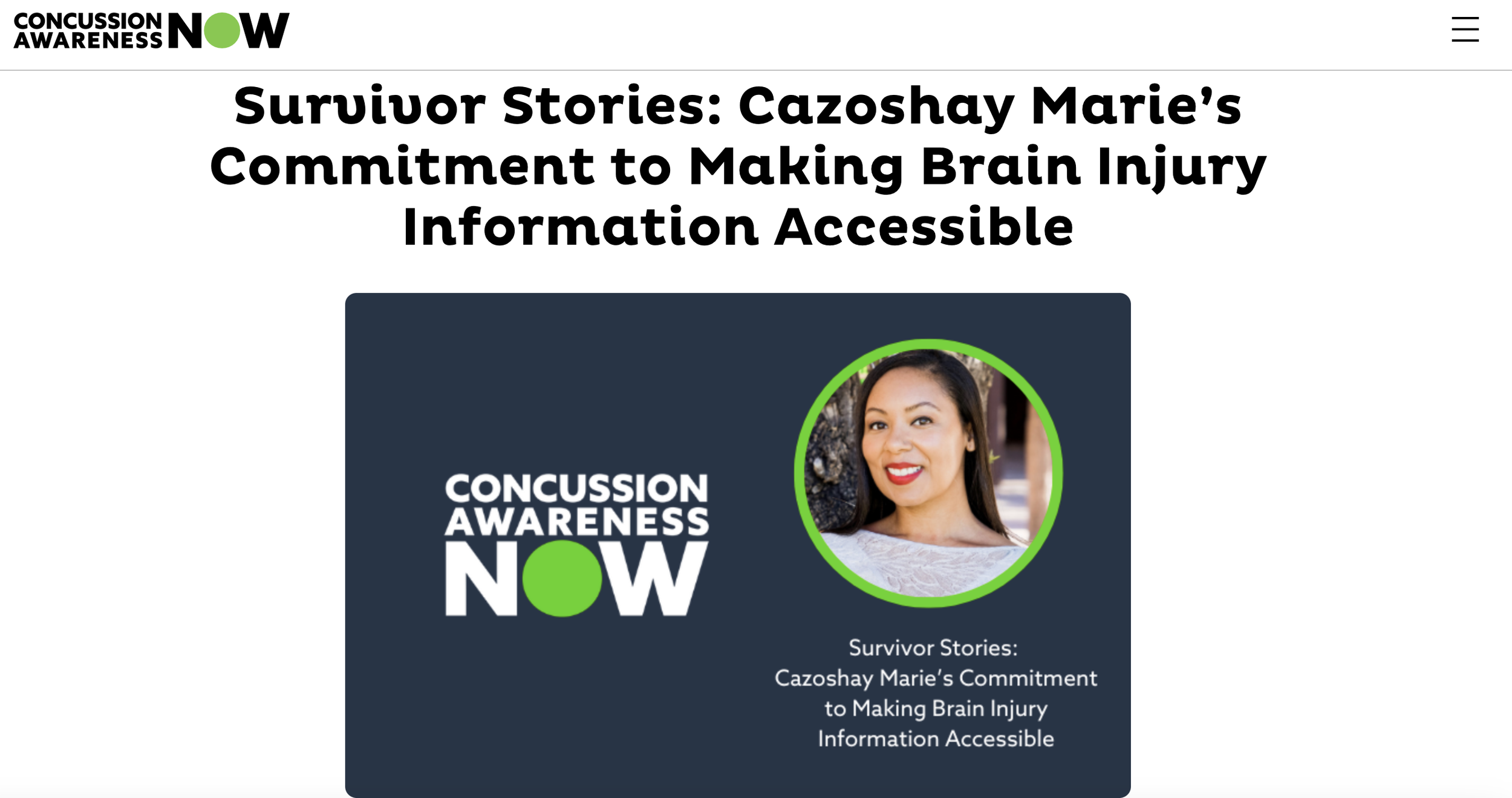
The second is with an organization I am proud to have worked with in the past, Concussion Awareness Now. In that feature, you can read about how I sustained my brain injury and how it catalyzed me to become the advocate that I am today.
You can click the buttons below the photos to read the features. I’d love to hear your thoughts, and please feel free to share with anyone you think may benefit from hearing my story!
XOXO,
Cazoshay
©2025 Cazoshay Marie. All rights reserved. Unauthorized use and/or duplication of this material without express and written permission from this blog’s author and/or owner is strictly prohibited. Excerpts and links may be used, provided that full and clear credit is given to Cazoshay Marie with appropriate and specific direction to the original content.
D.I.D. with Cazoshay and its materials are not intended to treat, diagnose, cure or prevent any disease. All material on this blog is provided for educational purposes only. Always seek the advice of your physician or another qualified healthcare provider for any questions you have regarding a medical condition, and before undertaking any diet, exercise or other health related program.

Join Me at The Brain Injury Association of America's National Brain Injury Conference and Awareness Day!

From the Brain Injury Association of America:
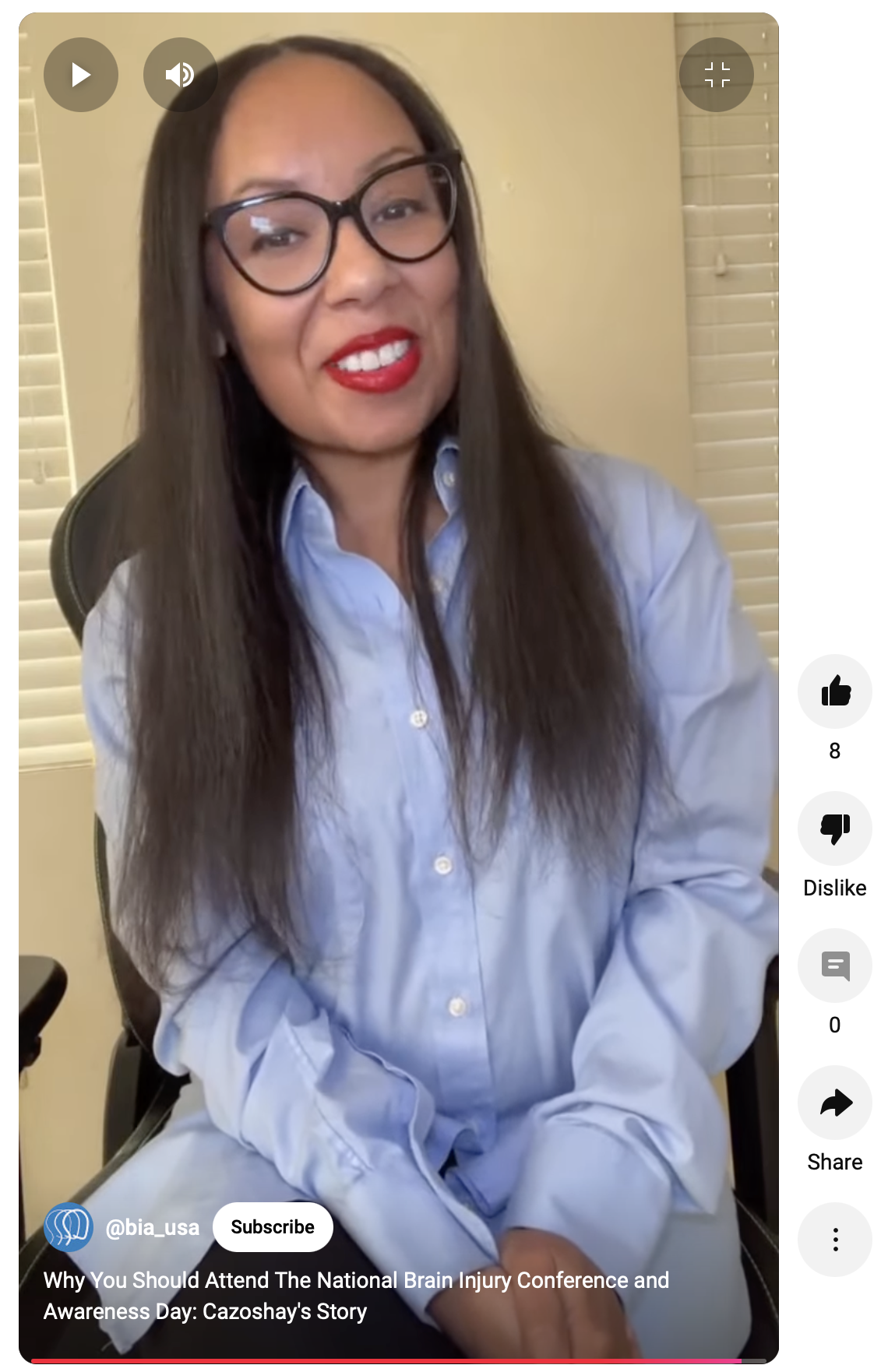
“The National Brain Injury Conference and Awareness Day is less than two months away, and we’re excited to see familiar faces as well as newcomers to the event, like Cazoshay Marie.
Cazoshay is joining us this year because she recognizes how important it is for legislators to hear directly from brain injury survivors about the issues that matter to the brain injury community.
In addition to our annual trip to Capitol Hill, where attendees will have the opportunity to meet with their congressional representatives and advocate for brain injury causes, this year’s event will include a conference for brain injury survivors and caregivers, featuring educational breakouts, social events, and more. You can view the full conference agenda here.
Whether you’re an Awareness Day veteran, or a first-time attendee like Cazoshay, we can’t wait to see you on March 3-5 in Washington, D.C.”
©2025 Cazoshay Marie. All rights reserved. Unauthorized use and/or duplication of this material without express and written permission from this blog’s author and/or owner is strictly prohibited. Excerpts and links may be used, provided that full and clear credit is given to Cazoshay Marie with appropriate and specific direction to the original content.
D.I.D. with Cazoshay and its materials are not intended to treat, diagnose, cure or prevent any disease. All material on this blog is provided for educational purposes only. Always seek the advice of your physician or another qualified healthcare provider for any questions you have regarding a medical condition, and before undertaking any diet, exercise or other health related program.